
As organisations deploy AI across critical business functions, a fundamental challenge emerges: how do you ensure AI systems reason accurately about complex, interconnected information? Knowledge graphs are emerging as the answer, providing the structured foundation that transforms AI from probabilistic guessing into reliable, explainable intelligence.
The Foundation
What Is a Knowledge Graph?
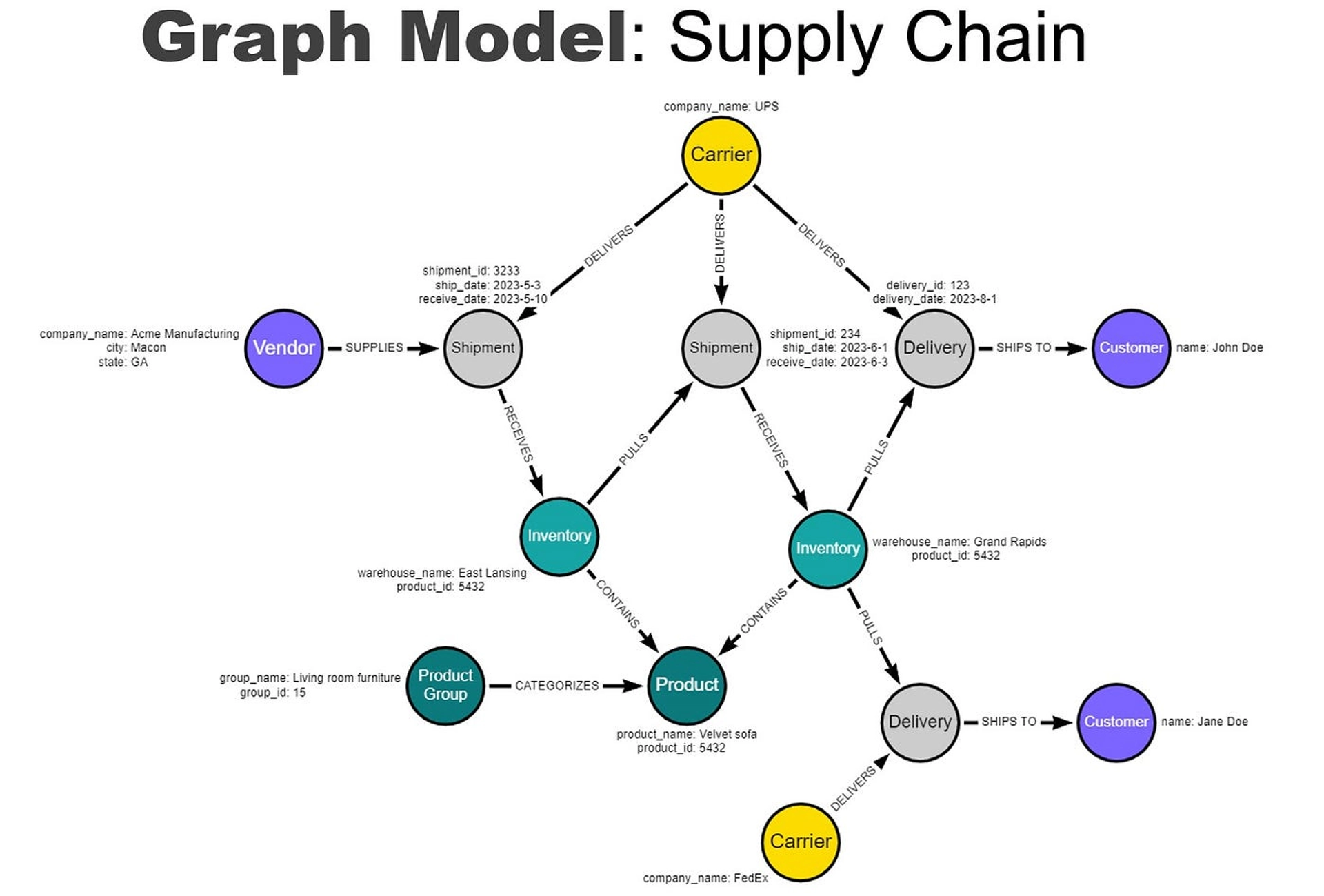
A knowledge graph is a structured way of organising information that captures not just data, but the relationships between data points. Think of it as connecting the dots between facts, people, products, and events in a way that mirrors how humans naturally understand the world.
Unlike traditional databases that store information in rigid tables, knowledge graphs use nodes (entities like customers, products, or locations) connected by edges (relationships like "purchased", "works at", or "located in"). This structure enables queries that would require complex joins across multiple tables in traditional systems.

According to Neo4j, knowledge graphs "capture the meaning and context behind the data, allowing you to uncover insights and connections that would be difficult to find with conventional databases." This semantic richness is precisely what makes them invaluable for AI applications.
Why It Matters
The AI Accuracy Problem
Large language models have transformed what's possible with AI, but they face a fundamental limitation: hallucinations. These are confident-sounding but factually incorrect responses that undermine trust and limit AI's applicability in critical business contexts.

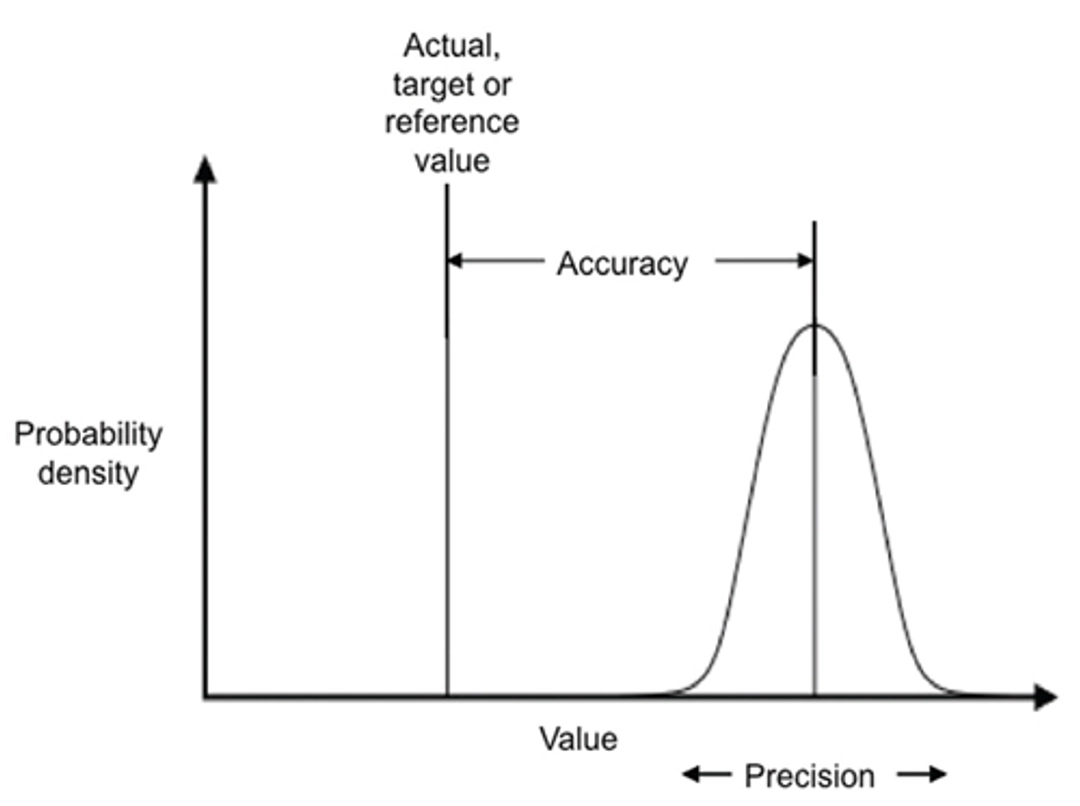
Even well-optimised models produce hallucinations in 1-2% of responses. While this might seem acceptable, for enterprise applications processing thousands of queries daily, that translates to dozens of potentially harmful inaccuracies. Academic research confirms that knowledge graphs offer "a promising approach to mitigate hallucinations" by providing verified, structured context.
The cost of poor information extends beyond AI. McKinsey research shows employees spend 20% of their workday simply searching for information they need. Knowledge graphs address this by connecting data across silos and enabling faster, more accurate information access.
Comparison
Knowledge Graphs vs RAG: Understanding the Difference
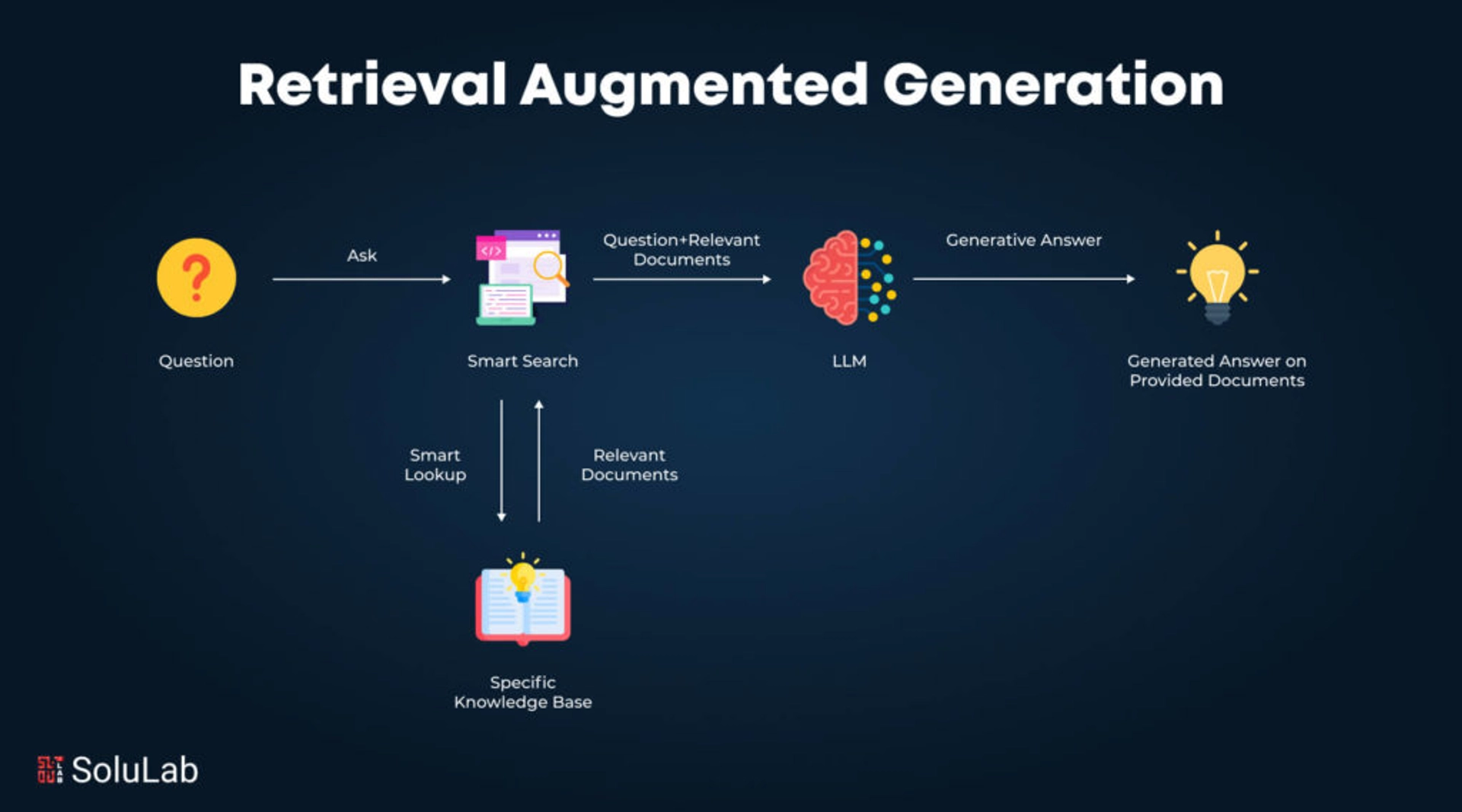
Retrieval-Augmented Generation (RAG) has emerged as a popular approach to grounding AI responses in external data. RAG works by retrieving relevant document chunks based on semantic similarity and feeding them to the language model. However, it has significant limitations when dealing with complex, interconnected information.
Traditional RAG Limitations
RAG treats retrieved documents as separate, unstructured text chunks. When an answer requires synthesising information across multiple documents or understanding relationships, the model must do that heavy lifting during generation. This leads to what researchers call "failure to connect the dots" - the system struggles when answering questions that require traversing multiple pieces of information through shared attributes.
Knowledge Graph Strengths
Knowledge graphs excel at multi-hop reasoning - questions like "Which customers bought products from suppliers in affected regions?" become straightforward graph traversals rather than complex text analysis. The relationships are explicit, not inferred, which dramatically improves accuracy for questions involving cause-effect chains, dependencies, and entity relationships.
When to Use Each
RAG excels when handling unstructured content like documentation, support articles, and conversational responses where semantic similarity is sufficient.
Knowledge graphs excel when precision is critical - compliance, legal, financial, and any domain where relationships and dependencies matter more than fuzzy semantic matching.
Hybrid Architecture
GraphRAG: The Best of Both Worlds
Rather than choosing between RAG and knowledge graphs, forward-thinking organisations are combining both. Microsoft's GraphRAG represents this hybrid approach: a structured, hierarchical retrieval system that uses knowledge graphs to provide substantial improvements in question-and-answer performance.
GraphRAG blends embedding-based text retrieval with structured graph reasoning. Traditional RAG finds semantically similar chunks; GraphRAG also retrieves explicit relationships, dependency chains, and connected entities. The result is higher accuracy, reduced hallucination, more efficient prompt usage, and full traceability.
The performance gains are substantial. Implementations have achieved documented 90% hallucination reduction compared to traditional RAG while maintaining sub-50ms query latency. Graph queries handle structure-dependent questions efficiently - tracing dependencies, exploring neighbourhoods, and resolving lineage - without injecting massive text blocks into prompts.
"By letting the graph handle structure and the LLM focus on interpretation, GraphRAG reduces context size, cuts latency, and minimises the risk of exceeding token limits."
Proven Results
Enterprise knowledge graph implementations deliver measurable business value backed by independent research.
Next Steps
Getting Started with Knowledge Graphs
Implementing a knowledge graph doesn't require a complete infrastructure overhaul. The most successful implementations start small - identifying a specific use case where relationship-based reasoning would provide clear value, then expanding from there.
Start with Schema Design
Defining your graph schema - what entities exist and how they relate - is the most critical step. A poorly designed schema leads to confusion, inconsistencies, and difficulty in querying. Spend time upfront working with subject matter experts to identify relevant entities and relationships, and prototype before committing to a final design.
Choose the Right Platform
Graph databases like Neo4j now offer enterprise integrations with Microsoft Fabric and Snowflake, making it easier than ever to add graph capabilities to existing data infrastructure. These native graph architectures achieve up to 1000x faster queries versus relational databases for relationship-heavy workloads.
Consider GraphRAG for AI Applications
If your goal is improving AI accuracy, GraphRAG architectures offer the fastest path to value. By combining semantic search with graph reasoning, you get the flexibility of RAG with the precision of structured knowledge - the sweet spot for enterprise AI systems that need to be both helpful and trustworthy.
Knowledge graphs represent a fundamental shift in how organisations can structure and reason about their data. As AI becomes increasingly central to business operations, the structured reasoning layer that knowledge graphs provide will move from competitive advantage to competitive necessity.