

Why 'Speed-to-Lead' Is the Missing Architecture in Most Businesses
Are You Leaking Leads?
Most service businesses don't have a lead problem.
They have a lead leakage problem.
Thousands are spent each month on Google or Meta ads. Forms are filled. Calls are made. And then—nothing happens. Or worse, something happens hours later, long after the prospect has already spoken to a competitor.
From the outside, it looks like a marketing issue.
In reality, it's a systems failure.
At Elemra, we see this pattern repeatedly across professional services, healthcare, real estate, and high-ticket consulting. The issue isn't traffic. It's that human-dependent pipelines simply cannot respond at machine speed.
And in 2026, speed is the difference between growth and waste.

The Hidden Cost of Slow Response Times
A lead submits a form. It lands in your CRM.
Your sales team is busy, in a meeting, or it's after hours.
Four hours later, someone finally calls.
By then, the deal is usually gone.
Multiple large-scale sales studies have shown that responding within the first five minutes can increase conversion rates by up to 400% compared to later follow-ups—a finding widely cited in research summarized by Harvard Business Review and InsideSales.
Speed isn't a 'nice to have.'
It's the single strongest predictor of whether a lead converts.
Yet most businesses still rely on:
- Manual callbacks
- Overloaded sales reps
- Inconsistent follow-up habits
- Office-hours availability
This is not a people problem.
It's an architectural one.

Leaky Sales Pipelines Cost Leads
The Three Leaks in Almost Every Sales Pipeline
1. Speed-to-Lead Failure
The reality: Humans do not respond in seconds. Software does.
When a prospect fills out a form, intent is at its peak. Waiting even 15–30 minutes dramatically lowers the probability of contact—especially in competitive markets.

The fix:
An Instant Engagement Agent triggers automatically 30–60 seconds after a form submission. The agent places a voice call, confirms interest, qualifies the lead, and books the appointment immediately.
No inbox.
No task queue.
No delay.
This isn't a chatbot. It's a voice-first system designed for real conversations.
2. Follow-Up Drop-Off
Most sales teams stop after one or two attempts.
But data shows that over 80% of closed deals require five or more touchpoints.
Humans don't enjoy persistence.
AI doesn't experience fatigue, ego, or hesitation.
The fix:
If the first call isn't answered, the system enters a structured follow-up loop:
- Immediate SMS confirmation
- Second call attempt after a defined delay
- Additional call/SMS sequences over the next 24–72 hours
The loop continues until the lead explicitly says yes or no—not until a rep gives up. This alone recovers a surprising amount of 'lost' revenue.
3. The After-Hours Void
High-intent prospects often research late at night, early morning, or on weekends.
Traditional teams simply aren't available.
The fix:
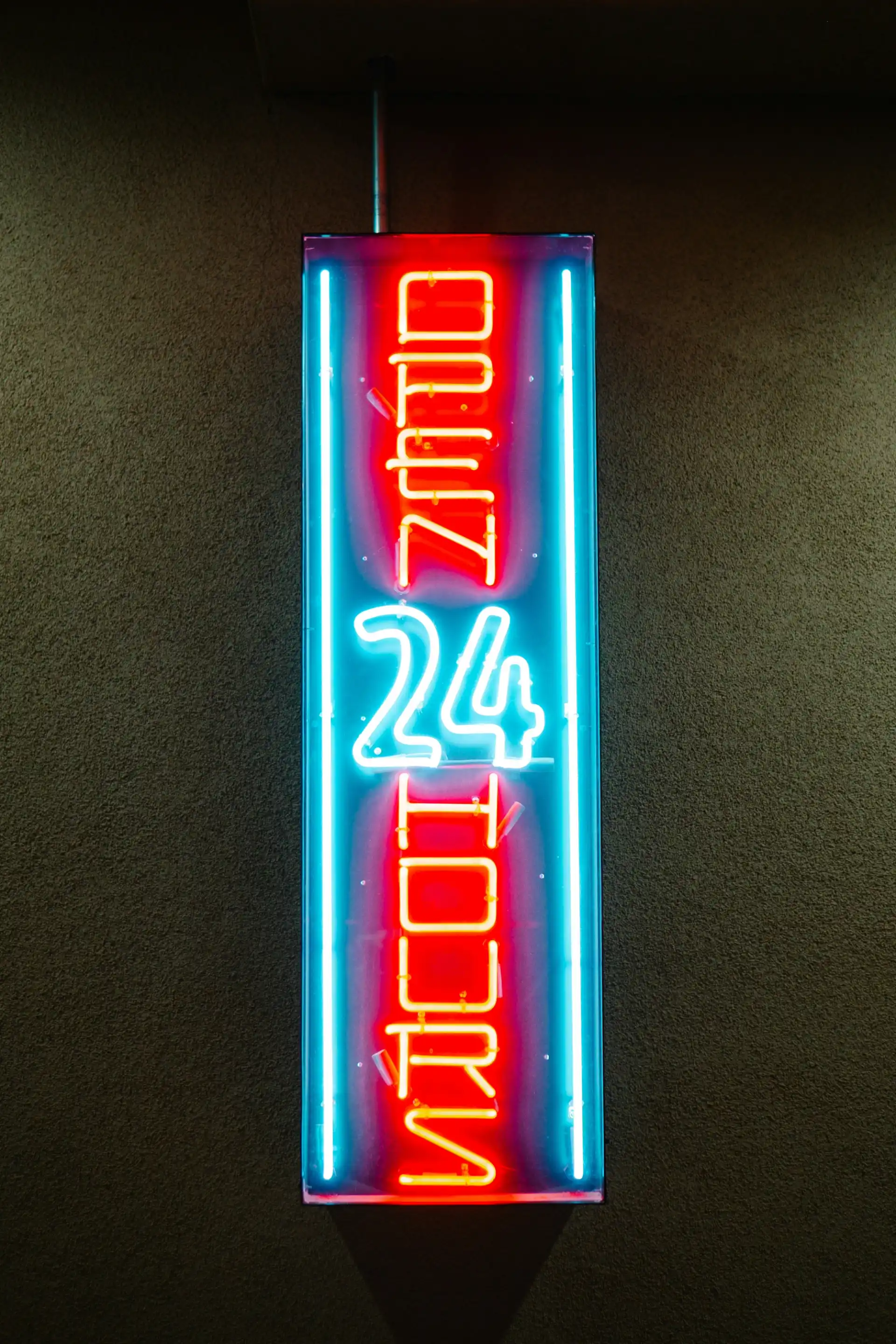
An Inbound Handling Agent answers calls 24/7.
It handles FAQs, routes qualified prospects, and books meetings while your business is technically 'closed.'
Opportunities no longer disappear just because it's 8:47pm.
It's a Lead Engine
This Is Not a Chatbot.
Most agencies sell 'AI' as a feature. Elemra builds systems.

Designed for Your Existing Stack
We do not force clients onto all-in-one platforms like GoHighLevel. Instead, we integrate voice agents directly into the tools you already use:
- Salesforce —> Cognism —> WhatsApp,
- HubSpot —> Apollo.io —> Instantly,
- Zoho —> Clearbit —> LinkedIn Sales Navigator,
- Etc.
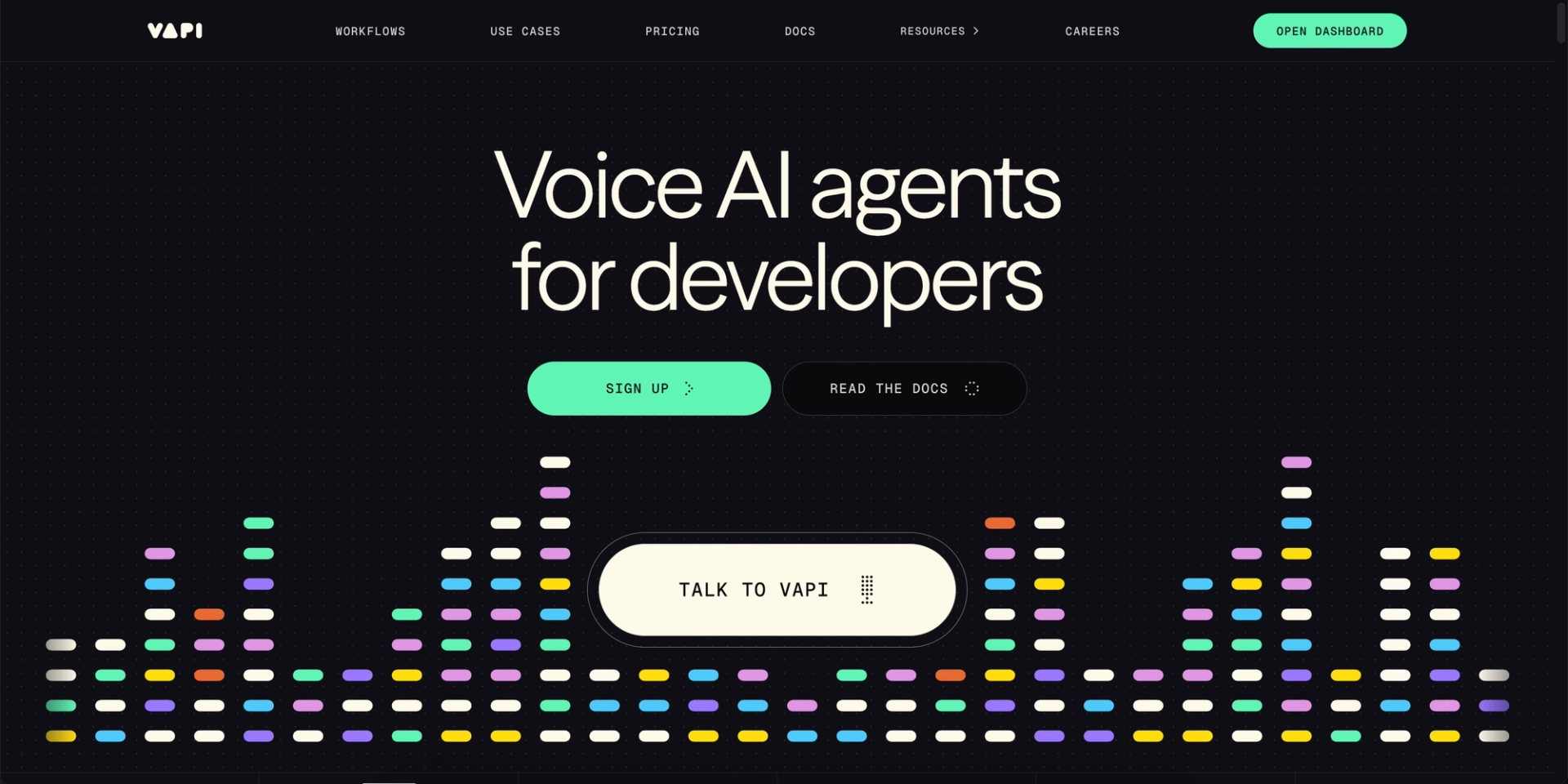
Using modern voice infrastructure such as Vapi.ai or Bland.ai, calls, transcripts, dispositions, and outcomes are written directly back to your CRM.
Every interaction is logged.
Every decision is traceable.
The code is yours.
No black boxes. No brittle templates.
Built With Compliance in Mind
Enterprise-grade automation requires more than clever prompts.
Voice and SMS systems must respect:
- Opt-in and opt-out logic
- Call timing restrictions
- A2P 10DLC compliance for messaging
- Clear audit trails
We build these controls into the architecture itself—ensuring AI-driven outreach doesn't become a legal or reputational risk. This is one of the biggest gaps between 'AI agencies' and production-ready systems.
From Growth to Transformation
Installing an Automated Acquisition System is only the beginning.
Phase 1: Revenue Acceleration
Leads are contacted instantly.
Appointments increase.
Conversion rates rise.
Phase 2: Operational Automation
Growth creates pressure elsewhere—onboarding, support, internal coordination.
At that stage, we deploy internal operations agents to automate:
- Client onboarding
- Intake workflows
- Support triage
- Internal handoffs
Because each system is custom-built, a medical practice doesn't get the same logic as a real estate firm. Compliance, terminology, and decision trees are designed specifically for your business model.
Templates don't scale. Architecture does.

The ROI Is Measurable—and Fast
Most clients see tangible results within 2–4 weeks:
- Faster lead response times
- More booked appointments
- Fewer dropped opportunities
- Clear attribution between ad spend and outcomes
This isn't speculative AI. It's applied systems engineering.
5-Mins Is All It Takes
The solution isn't more ads. It's fixing the system that handles the leads you already paid for.
Elemra doesn't sell AI. We build acquisition architectures that convert intent into revenue—automatically.